

logo
Tentang Kami
China Jixiang Siji Industrial Co., Ltd.
Tentang Kami
Jixiang Siji Industrial Co., Ltd.
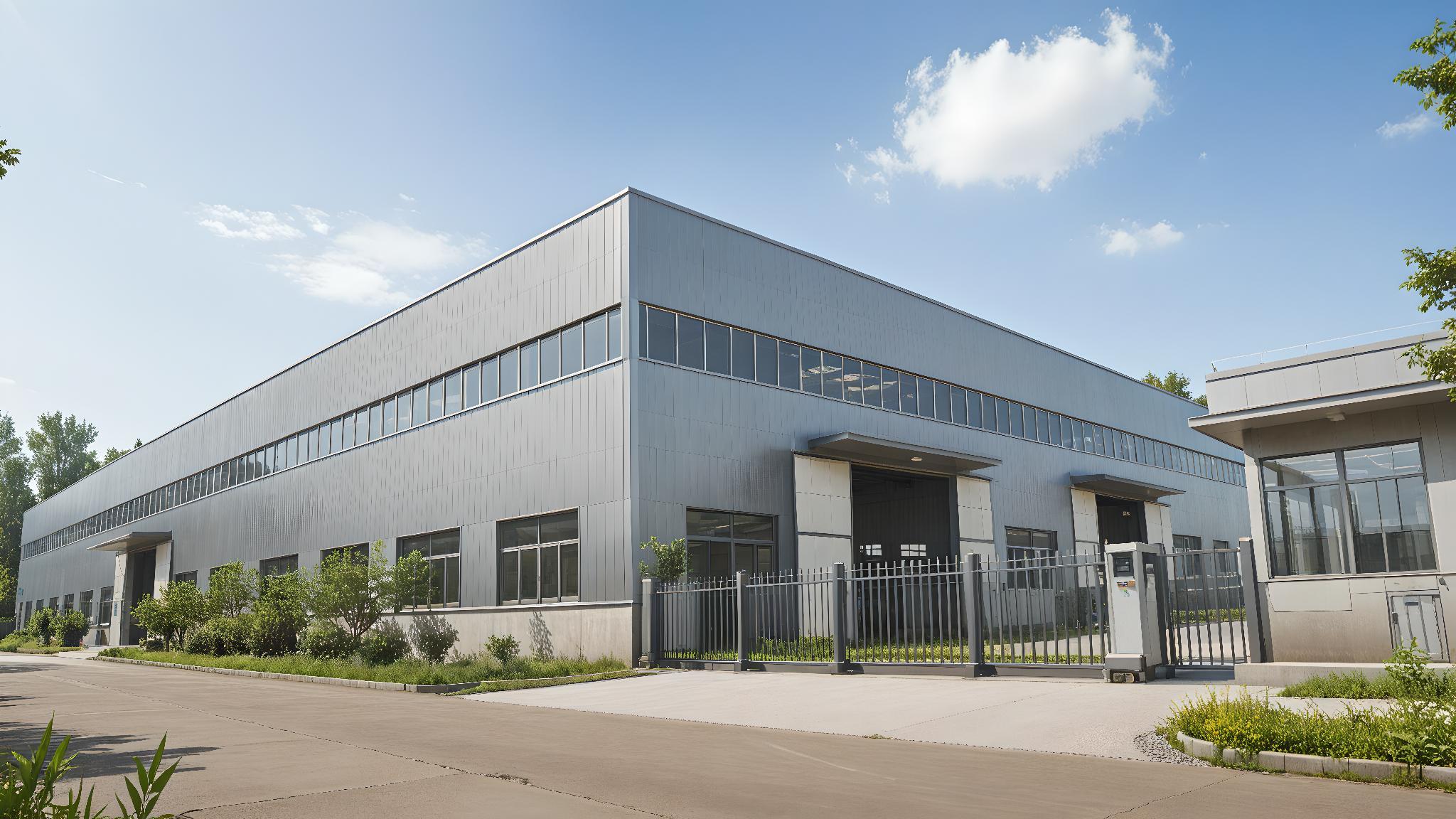
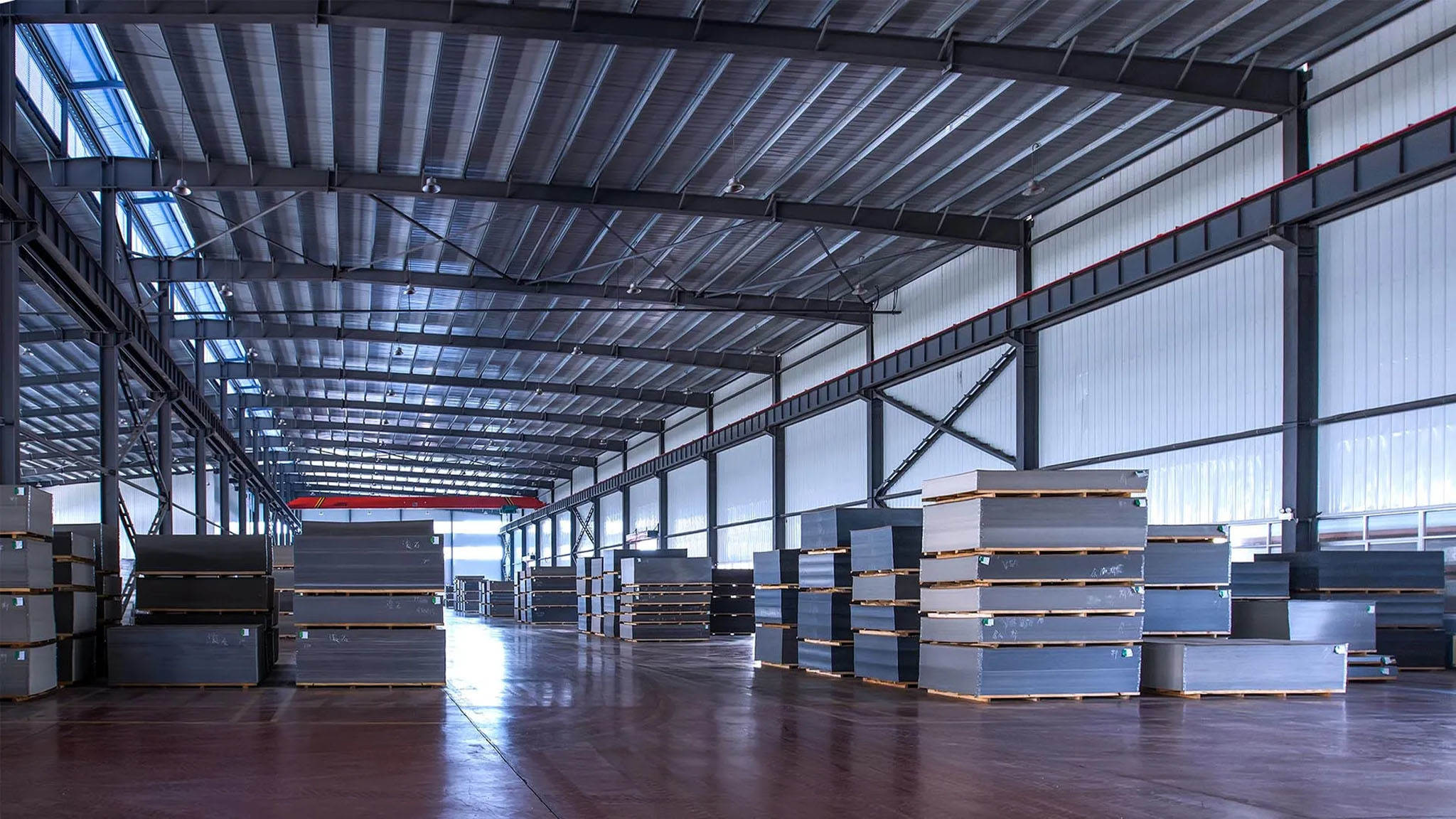
Alushang adalah merek di bawah Jixiang Siji Industrial Co.. Ltd, yang mengkhususkan diri dalam pengolahan mendalam dan penyemprotan eksternal panel komposit aluminium, veneer, panel sarang madu, panel bergelombang,dan langit-langit.Investasi fase pertama adalah 30 juta RMB, dengan luas pabrik 30000 meter persegi.dengan transportasi yang nyaman dan berdekatan dengan pusat distribusi sumber daya pelat aluminium berkualitas tinggi, memiliki keuntungan waktu yang menguntungkan, lokasi, dan orang...
Baca Lebih Lanjut
Permintaan A Kutipan
0+
Penjualan tahunan
0
Tahun
Pelanggan
0%
P.C.
0+
Karyawan
Kami Sediakan
Pelayanan terbaik!
Anda dapat menghubungi kami dengan berbagai cara
Hubungi Kami
Jixiang Siji Industrial Co., Ltd.

kualitas Panel Komposit Aluminium PE & Panel Komposit Aluminium Tahan Api pabrik

Acara
Berita perusahaan terbaru tentang Common Facade Material Risks in Southeast Asia and How PVDF ACP Helps Reduce Them
Common Facade Material Risks in Southeast Asia and How PVDF ACP Helps Reduce Them

2026-06-30

/* Unique class name for encapsulation */ .gtr-container-f7h2k3 { font-family: Verdana, Helvetica, "Times New Roman", Arial, sans-serif; color: #333; line-height: 1.6; padding: 15px; max-width: 100%; box-sizing: border-box; } .gtr-container-f7h2k3 { background-color: transparent; } .gtr-container-f7h2k3 { border: none; outline: none; } .gtr-container-f7h2k3 .gtr-heading { font-size: 18px; font-weight: bold; margin-top: 25px; margin-bottom: 15px; color: #3176FF; text-align: left; } .gtr-container-f7h2k3 p { font-size: 14px; margin-bottom: 15px; text-align: left !important; } .gtr-container-f7h2k3 strong { font-weight: bold; color: #333; } .gtr-container-f7h2k3 ul { list-style: none !important; padding-left: 20px; margin-bottom: 15px; } .gtr-container-f7h2k3 ul li { position: relative; padding-left: 20px; margin-bottom: 8px; font-size: 14px; text-align: left; list-style: none !important; } .gtr-container-f7h2k3 ul li::before { content: "•" !important; position: absolute !important; left: 0 !important; color: #3176FF; font-size: 1.2em; line-height: 1; top: 0; } .gtr-container-f7h2k3 ol { list-style: none !important; padding-left: 25px; margin-bottom: 15px; } .gtr-container-f7h2k3 ol li { position: relative; padding-left: 25px; margin-bottom: 8px; font-size: 14px; text-align: left; list-style: none !important; } .gtr-container-f7h2k3 ol li::before { content: counter(list-item) "." !important; position: absolute !important; left: 0 !important; color: #3176FF; font-size: 1em; line-height: 1; top: 0; width: 1.5em; text-align: right; } .gtr-container-f7h2k3 .gtr-table-wrapper { width: 100%; overflow-x: auto; margin-bottom: 20px; } .gtr-container-f7h2k3 table { width: 100%; border-collapse: collapse !important; border-spacing: 0 !important; min-width: 600px; font-size: 14px; text-align: left; } .gtr-container-f7h2k3 th, .gtr-container-f7h2k3 td { border: 1px solid #ccc !important; padding: 10px !important; text-align: left !important; vertical-align: top !important; word-break: normal; overflow-wrap: normal; } .gtr-container-f7h2k3 th { font-weight: bold !important; background-color: #f0f0f0; color: #333; } .gtr-container-f7h2k3 tr:nth-child(even) { background-color: #f9f9f9; } .gtr-container-f7h2k3 tr:nth-child(odd) { background-color: #ffffff; } @media (min-width: 768px) { .gtr-container-f7h2k3 { padding: 25px 40px; max-width: 960px; margin: 0 auto; } .gtr-container-f7h2k3 .gtr-heading { font-size: 22px; margin-top: 30px; margin-bottom: 20px; } .gtr-container-f7h2k3 p { font-size: 14px; margin-bottom: 18px; } .gtr-container-f7h2k3 ul { padding-left: 25px; } .gtr-container-f7h2k3 ul li { padding-left: 25px; } .gtr-container-f7h2k3 ul li::before { font-size: 1.3em; } .gtr-container-f7h2k3 .gtr-table-wrapper { overflow-x: visible; } .gtr-container-f7h2k3 table { min-width: auto; } } Introduction: Southeast Asia Is Not a Mild Climate Every building material performs differently under stress — and Southeast Asia delivers stress in abundance. With equatorial UV indexes routinely exceeding 10, monsoon-season relative humidity above 85%, and coastal salt spray in most major cities, facade materials in the region face an accelerated aging environment that exposes weaknesses far sooner than temperate-zone specifications would predict. The purpose of this article is not to claim that any material eliminates these risks entirely — no material does. Rather, it is to examine the three most common failure modes observed in Southeast Asian facades, and explain how PVDF ACP makes these risks controllable, predictable, and manageable — not avoided, but engineered into acceptable bounds. Risk 1: Premature Fading Color fading is the most visible — and often the earliest — sign of facade material degradation in tropical climates. Under sustained high-UV exposure, organic pigments and resin binders in coating systems undergo photochemical breakdown. The result is a measurable shift in color that progresses from subtle to obvious within a few years. What drives accelerated fading in Southeast Asia: Year-round high solar irradiance (daily peak UV Index 10–12) with no winter respite Dark-colored facades absorb more thermal energy, accelerating pigment degradation Combined effect of UV + humidity creates hydrolytic pathways that break down coating resins faster than UV alone With standard polyester coatings, color shift (ΔE > 3) is commonly observed within 18–30 months in equatorial exposure. PVDF coatings, by contrast, leverage the carbon-fluorine bond — one of the strongest covalent bonds in organic chemistry — which is virtually inert to UV photolysis. Independent weathering studies consistently show PVDF retaining over 80% of original gloss and ΔE under 2 after a decade or more of Florida exposure, a standard proxy for tropical conditions. Risk 2: Surface Chalking Chalking is the progressive degradation of the coating surface into a loose, powdery residue. It occurs when the polymer matrix of the coating breaks down under UV attack, leaving exposed pigment particles that can be wiped off by hand. While chalking begins as a cosmetic issue, it signals deeper coating failure and accelerates further degradation by increasing surface porosity. Why chalking is particularly aggressive in the region: UV photo-oxidation of the coating binder is continuous, not seasonal Frequent heavy rainfall washes away degraded surface material, constantly exposing fresh layers to UV attack — a cyclic erosion process Once chalking begins, the roughened surface traps dirt and biological growth (mold, algae), compounding aesthetic degradation PVDF coatings resist chalking through the inherent chemical stability of the fluoropolymer backbone. Unlike polyester or acrylic resins that contain UV-sensitive ester or ether linkages, the fully fluorinated PVDF structure offers no reactive sites for photo-oxidation to attack. The result is a coating that maintains surface integrity for 15–20+ years even under continuous equatorial exposure. Risk 3: Delamination and Structural Instability Delamination — the separation of the aluminum skin from the polyethylene core — is the most serious of the three risks because it transitions from aesthetic concern to structural hazard. When moisture penetrates through a degraded or micro-cracked coating and reaches the bond interface between aluminum and core, it initiates progressive bond failure that can spread across entire panel sections. Contributing factors in Southeast Asian conditions: Persistent high humidity maintains a constant moisture drive across the coating barrier Thermal cycling (diurnal swings of 10–15°C on dark surfaces) creates differential expansion between aluminum skin and PE core, mechanically stressing the adhesive bond Coastal salt deposition accelerates corrosion at any exposed aluminum edge or coating breach PVDF ACP addresses delamination risk through two mechanisms. First, the superior long-term integrity of the PVDF coating maintains an effective moisture barrier far longer than alternative coatings, preventing the water ingress that initiates bond failure. Second, the dimensional stability of PVDF under thermal cycling reduces coating micro-cracking, preserving the barrier function across years of expansion-contraction cycles. The Risk Philosophy: Controllable, Not Avoided No facade material — including PVDF ACP — can guarantee zero degradation in Southeast Asian conditions. Coatings will weather, colors will shift, and surfaces will age. The engineering question is not whether these things happen, but at what rate, with what predictability, and with what consequence. Risk Standard Coating (Polyester) PVDF Coating Risk Reduction Fading (ΔE > 3) 18–30 months 10+ years (ΔE < 2) 4–6× longer service window Chalking Onset 2–4 years 15–20+ years 5–7× longer surface integrity Delamination Risk Elevated after 5–8 years Minimal within 15–20 year window Barrier integrity maintained 3× longer Predictability Variable — batch and exposure dependent Highly consistent — well-documented weathering data Engineering-grade predictability PVDF ACP does not eliminate these risks. It compresses them into a much longer, more predictable timeline — converting unknowns into knowns, and allowing project stakeholders to plan maintenance cycles with confidence rather than react to surprises. Conclusion In Southeast Asia's high-UV, high-humidity environment, facade material selection is fundamentally a risk management exercise. Premature fading, surface chalking, and delamination are not rare exceptions — they are predictable consequences of material choices made at specification stage. PVDF ACP cannot make these risks disappear, but it can make them slow, measurable, and manageable across a 15–20 year service window. For developers, architects, and contractors who value predictability over short-term savings, that distinction is the entire business case.
Lihat Lebih Lanjut
Berita perusahaan terbaru tentang Why Color Consistency Matters in Large-Scale ACP Facade Projects: A Project Management Perspective
Why Color Consistency Matters in Large-Scale ACP Facade Projects: A Project Management Perspective

2026-06-30

/* Root container */ .gtr-container-x7y2z9 { font-family: Verdana, Helvetica, "Times New Roman", Arial, sans-serif; color: #333; line-height: 1.6; padding: 15px; box-sizing: border-box; } /* Headings (converted from h3) */ .gtr-container-x7y2z9 .gtr-heading-level3 { font-size: 18px; font-weight: bold; margin-top: 25px; margin-bottom: 15px; color: #3176FF; text-align: left; } /* Paragraphs */ .gtr-container-x7y2z9 p { font-size: 14px; margin-bottom: 1em; text-align: left !important; } /* Unordered List */ .gtr-container-x7y2z9 ul { list-style: none !important; padding-left: 20px; margin-bottom: 1em; } .gtr-container-x7y2z9 ul li { list-style: none !important; position: relative; padding-left: 20px; margin-bottom: 0.5em; font-size: 14px; text-align: left !important; } .gtr-container-x7y2z9 ul li::before { content: "•" !important; position: absolute !important; left: 0 !important; color: #3176FF; font-size: 1.2em; line-height: 1; } /* Ordered List */ .gtr-container-x7y2z9 ol { list-style: none !important; padding-left: 25px; margin-bottom: 1em; counter-reset: list-item; } .gtr-container-x7y2z9 ol li { display: list-item; list-style: none !important; position: relative; padding-left: 25px; margin-bottom: 0.5em; font-size: 14px; text-align: left !important; } .gtr-container-x7y2z9 ol li::before { content: counter(list-item) "." !important; position: absolute !important; left: 0 !important; color: #3176FF; font-size: 1em; line-height: 1; width: 1.5em; text-align: right; } /* Table styling */ .gtr-container-x7y2z9 .gtr-table-wrapper { width: 100%; overflow-x: auto; margin-top: 20px; margin-bottom: 20px; } .gtr-container-x7y2z9 table { width: 100%; border-collapse: collapse !important; border-spacing: 0 !important; font-size: 14px; min-width: 600px; } .gtr-container-x7y2z9 th, .gtr-container-x7y2z9 td { border: 1px solid #ccc !important; padding: 10px !important; text-align: left !important; vertical-align: top !important; word-break: normal; overflow-wrap: normal; } .gtr-container-x7y2z9 th { font-weight: bold !important; background-color: #f0f0f0; color: #333; } /* Zebra striping for table rows */ .gtr-container-x7y2z9 tbody tr:nth-child(even) { background-color: #f9f9f9; } /* Responsive design for PC */ @media (min-width: 768px) { .gtr-container-x7y2z9 { padding: 20px 40px; max-width: 960px; margin: 0 auto; } .gtr-container-x7y2z9 .gtr-heading-level3 { margin-top: 30px; margin-bottom: 20px; } .gtr-container-x7y2z9 .gtr-table-wrapper { overflow-x: visible; } .gtr-container-x7y2z9 table { min-width: auto; } } Introduction: The Hidden Challenge of Scale In small-scale facade projects, color consistency is rarely a concern — a single production batch covers the entire elevation, and the architect's specified RAL or Pantone reference is faithfully delivered. But when the project scales to tens of thousands of square meters across multiple buildings, zones, and installation phases, color consistency transforms from a quality checkmark into a project-level risk that demands proactive management. The reality of large-scale ACP facade construction introduces an unavoidable complexity: one facade, multiple batches, installed simultaneously across different zones by different crews. Without deliberate consistency management, what begins as a specification on paper can end as visible patchwork on the building. The Engineering Reality: Why Batches Differ Color variation between production batches is not a defect — it is a physical reality of industrial coating processes. Even with stringent quality control, the following factors introduce measurable variation: Coating Line Conditions: Slight variations in oven temperature profiles, line speed, and ambient humidity between production runs affect coating thickness, cure rate, and final surface reflectance — all of which influence perceived color. Raw Material Variation: Aluminum coil from different mill lots can exhibit subtle differences in surface texture and pretreatment response, altering how the coating bonds and reflects light. Pigment Dispersion: Even with precision metering equipment, pigment concentration in PVDF or polyester coatings can drift within tolerance bands (typically ±5%), producing ΔE values that are individually acceptable but visually cumulative across a large facade. Aging and Environmental Exposure: Panels from early batches installed months before later batches will have already begun their weathering journey, creating apparent color differences that are not manufacturing defects but differential aging effects. The Real Cost: Rework Risk and Schedule Impact When color inconsistency is discovered on-site — typically after multiple installation zones are complete — the consequences cascade through the project timeline and budget: Impact Area Description Typical Cost Multiplier Visual Inspection Failures Architect or client rejects installed panels due to visible color banding or patchwork appearance across zones — Panel Replacement Removing and replacing non-matching panels — requires new production, shipping, and reinstallation 3–5× original panel cost Schedule Delay Production lead time (4–8 weeks) plus reinstallation disrupts downstream trades and overall project milestones Penalty clauses, extended site overhead Reputational Damage A visibly inconsistent facade becomes a permanent advertisement of quality shortcomings for contractor and supplier alike Unquantifiable but lasting Dispute Resolution Assigning liability between coating supplier, panel fabricator, and installer consumes management resources and can lead to legal costs Variable, often substantial Consistency as a Project Management Discipline The most successful large-scale ACP projects treat color consistency not as a product specification to be verified on arrival, but as a project workflow to be managed from procurement through installation: Pre-Production Batch Planning: Map the total facade area against production capacity and determine the minimum number of batches required. Where possible, consolidate critical visible elevations into a single production run. Master Reference Panel: Establish a physical master panel signed off by all stakeholders before production begins. Every subsequent batch is compared against this single reference — not against the previous batch, which can allow gradual drift. Batch-to-Batch Measurement Protocol: Require colorimetry readings (L*a*b* values, ΔE) for each production batch against the master reference, with a defined rejection threshold (typically ΔE ≤ 1.0 for critical facades). Installation Zone Sequencing: Install panels from the same production batch within contiguous visual zones. Avoid mixing batches within a single elevation plane wherever possible. When transitions between batches are unavoidable, place them at architectural breaks (expansion joints, corners, floor lines) where the visual seam is naturally concealed. On-Site Dry Layout Verification: Before permanent fixing, conduct a dry layout of panels spanning the batch transition zone under natural daylight conditions. This 30-minute check can prevent weeks of rework. Conclusion Color consistency in large-scale ACP facade projects is fundamentally a project management challenge, not merely a product quality metric. While coating technology and factory QC are essential foundations, they cannot compensate for the absence of batch planning, installation sequencing, and on-site verification protocols. Contractors and specifiers who recognize this distinction — and invest in the management processes that bridge production and installation — deliver facades where color uniformity is not a pleasant surprise, but a planned outcome.
Lihat Lebih Lanjut
Berita perusahaan terbaru tentang PVDF ACP vs Polyester ACP: Choosing the Right Material for Long-Term Southeast Asia Exterior Projects
PVDF ACP vs Polyester ACP: Choosing the Right Material for Long-Term Southeast Asia Exterior Projects

2026-06-30

/* Unique root container for encapsulation */ .gtr-container-acp789 { font-family: Verdana, Helvetica, "Times New Roman", Arial, sans-serif; color: #333; line-height: 1.6; padding: 15px; max-width: 100%; box-sizing: border-box; margin: 0 auto; } /* Headings - converted from h3 to p with class */ .gtr-container-acp789 .gtr-heading-acp789 { font-size: 18px; font-weight: bold; color: #3176FF; margin-top: 1.5em; margin-bottom: 1em; text-align: left; } /* Paragraph styling */ .gtr-container-acp789 p { font-size: 14px; margin-bottom: 1em; text-align: left; } /* Strong/bold text */ .gtr-container-acp789 strong { font-weight: bold; } /* Unordered list styling */ .gtr-container-acp789 ul { list-style: none !important; margin: 0 0 1em 0 !important; padding: 0 !important; } .gtr-container-acp789 ul li { list-style: none !important; position: relative; padding-left: 20px; margin-bottom: 0.5em; font-size: 14px; text-align: left; } .gtr-container-acp789 ul li::before { content: "•" !important; position: absolute !important; left: 0 !important; color: #3176FF; font-size: 1.2em; line-height: 1; top: 0; } /* Ordered list styling */ .gtr-container-acp789 ol { list-style: none !important; margin: 0 0 1em 0 !important; padding: 0 !important; counter-reset: list-item; /* Reset counter for ordered list */ } .gtr-container-acp789 ol li { list-style: none !important; position: relative; padding-left: 25px; /* Adjust for number width */ margin-bottom: 0.5em; font-size: 14px; text-align: left; counter-increment: none; /* Increment counter for each list item */ } .gtr-container-acp789 ol li::before { content: counter(list-item) "." !important; position: absolute !important; left: 0 !important; color: #3176FF; font-weight: bold; width: 20px; /* Fixed width for numbers */ text-align: right; top: 0; } /* Table wrapper for responsiveness */ .gtr-container-acp789 .gtr-table-wrapper { overflow-x: auto; margin-bottom: 1.5em; } /* Table styling */ .gtr-container-acp789 table { width: 100%; border-collapse: collapse; border-spacing: 0; min-width: 600px; /* Ensure table is wide enough to scroll on small screens */ } .gtr-container-acp789 th, .gtr-container-acp789 td { padding: 10px 15px; border: 1px solid #ccc !important; /* Enforce border */ text-align: left; vertical-align: top; font-size: 14px; line-height: 1.4; } .gtr-container-acp789 th { font-weight: bold; background-color: #f0f0f0; /* Light background for header */ color: #333; } /* Zebra striping for table rows */ .gtr-container-acp789 tbody tr:nth-child(even) { background-color: #f9f9f9; } /* Responsive adjustments for PC screens */ @media (min-width: 768px) { .gtr-container-acp789 { padding: 25px; max-width: 960px; /* Constrain width for better readability on large screens */ } .gtr-container-acp789 .gtr-heading-acp789 { font-size: 20px; } .gtr-container-acp789 table { min-width: auto; /* Remove min-width on larger screens */ } } Introduction: The Southeast Asia Climate Reality When specifying aluminum composite panels (ACP) for exterior projects in Southeast Asia, architects and contractors face a decision that goes far beyond datasheet comparisons. The region's unique climate — characterized by intense year-round UV radiation, monsoon-driven humidity exceeding 80%, and salt-laden coastal air — creates a testing ground where material performance is measured not in laboratory conditions, but in real-world endurance over years of exposure. The question is not simply "which ACP is better," but rather: which material aligns with your project's lifecycle expectations and risk tolerance? Understanding the Environmental Stress Factors Southeast Asia presents a uniquely aggressive combination of environmental stressors that accelerate facade material degradation: High UV Radiation: Proximity to the equator means consistently high UV index levels (often 10–12) throughout the year, causing rapid photo-degradation of organic coatings and resins. Persistent High Humidity: Average relative humidity of 75–85% promotes hydrolysis, mold growth, and adhesive bond deterioration in panel core materials. Thermal Cycling: Daily temperature swings between 25°C and 38°C, combined with direct solar gain on dark surfaces, subject panels to continuous expansion-contraction stress. Coastal Salinity: Many key Southeast Asian markets (Singapore, Bangkok, Jakarta, Manila, Ho Chi Minh City) are coastal, adding salt-spray corrosion to the degradation equation. Polyester ACP: The Short-Cycle Solution Polyester (PE) coated ACP has long been the entry-level choice for exterior cladding, valued primarily for its cost-effectiveness and wide availability. In controlled or mild climates, PE coatings can deliver satisfactory performance for 3–7 years before visible degradation sets in. However, under Southeast Asian conditions, the limitations become apparent much sooner: UV-Induced Chalking and Fading: Polyester resins contain ester bonds that are inherently susceptible to UV photolysis. Within 12–24 months of equatorial exposure, PE-coated panels typically exhibit measurable gloss reduction (often exceeding 50%) and visible color shift (ΔE > 3). Humidity-Driven Delamination Risk: Moisture ingress through micro-cracks in weathered PE coatings can reach the polyethylene core, compromising the bond between aluminum skin and core material. This is particularly critical in buildings without adequate overhang or drip-edge protection. Short Maintenance Cycle: Projects relying on PE ACP in high-exposure Southeast Asian environments should budget for recoating or panel replacement within 5–8 years — a cost that can erase initial material savings. Best-fit applications for Polyester ACP in Southeast Asia: temporary structures, interior partitions, signage with limited exterior exposure, low-rise buildings with substantial shade, and projects with planned short lifecycles (under 5 years) where initial budget is the primary constraint. PVDF ACP: Engineered for Endurance Polyvinylidene fluoride (PVDF) coatings represent a fundamentally different approach to exterior durability. The carbon-fluorine bond — one of the strongest in organic chemistry — provides inherent resistance to UV degradation, chemical attack, and environmental weathering that polyester chemistry cannot match. Key performance advantages in Southeast Asian conditions: Superior UV Resistance: PVDF coatings routinely retain over 80% of original gloss after 10+ years of equatorial exposure. The fluoropolymer backbone is virtually inert to UV photolysis, meaning color stability (ΔE typically under 2) is maintained far longer than with PE alternatives. Moisture Barrier Integrity: PVDF's low surface energy and chemical stability create an effective long-term moisture barrier. Even after years of monsoon exposure, the coating resists hydrolysis and maintains its protective function against core delamination. Extended Service Life: Buildings clad with PVDF ACP in Southeast Asia typically require only cleaning maintenance for 15–20+ years before any recoating consideration — delivering substantially lower total cost of ownership when lifecycle is factored in. Self-Cleaning Properties: The low surface energy of PVDF also reduces dirt adhesion, helping facades maintain their appearance through seasonal rain washing — a practical advantage in regions with frequent rainfall. Comparative Summary Factor Polyester ACP PVDF ACP UV Resistance Moderate — fades within 2–3 years Excellent — 10+ years color stability Humidity Tolerance Limited — delamination risk after 5–8 years High — maintains barrier integrity long-term Typical Service Life (SE Asia) 5–8 years 15–20+ years Maintenance Cycle Recoat/replace every 5–8 years Cleaning only for 15+ years Initial Material Cost Lower Higher Lifecycle Cost (20yr TCO) Higher (incl. replacement cycles) Lower (single installation) Ideal Project Type Short-cycle, non-critical facade Long-term, engineering-stability priority The Decision Framework: Project Cycle × Risk Tolerance In Southeast Asian markets, the choice between Polyester and PVDF ACP is rarely about material grade hierarchy. Instead, it is a function of two intersecting variables: Project Lifecycle Expectation: Is this a 3-year pop-up commercial space or a 30-year institutional landmark? The longer the intended service period, the more the PVDF premium becomes a necessity rather than an option. Risk Tolerance Profile: What is the consequence of premature facade degradation? For a retail kiosk, faded panels are a cosmetic nuisance. For a corporate headquarters or luxury condominium, they represent reputational damage and potential safety liabilities. For project stakeholders operating in Southeast Asia, the engineering-first approach means evaluating these two factors honestly — and recognizing that the "cheaper" PE option may carry hidden lifecycle costs that only become visible under the region's unforgiving sun and rain. Conclusion There is no universally correct answer to the PVDF vs Polyester ACP question — only the answer that best fits your project's specific context. In Southeast Asia, where climate accelerates every degradation mechanism, the decision is ultimately a risk management calculation. Short-cycle, budget-driven projects with low failure consequence can be well-served by Polyester ACP. Projects where long-term facade integrity is non-negotiable should default to PVDF. The key is to make this choice consciously, with full awareness of the environmental realities that Southeast Asia brings to every exterior surface.
Lihat Lebih Lanjut
Berita perusahaan terbaru tentang Panel Komposit Aluminium PVDF untuk Proyek Fasad Asia Tenggara: Panduan Seleksi Teknik
Panel Komposit Aluminium PVDF untuk Proyek Fasad Asia Tenggara: Panduan Seleksi Teknik

2026-06-30

/* Unique root container for encapsulation */ .gtr-container-f8k2p5q9 { font-family: Verdana, Helvetica, "Times New Roman", Arial, sans-serif; color: #333; line-height: 1.6; padding: 15px; box-sizing: border-box; } /* Main title styling */ .gtr-container-f8k2p5q9 .gtr-title { font-size: 18px; font-weight: bold; color: #3176FF; margin-top: 0; margin-bottom: 1.5em; text-align: left !important; } /* Section title styling */ .gtr-container-f8k2p5q9 .gtr-section-title { font-size: 16px; font-weight: bold; color: #3176FF; margin-top: 2em; margin-bottom: 1em; text-align: left !important; } /* Paragraph styling */ .gtr-container-f8k2p5q9 p { font-size: 14px; margin-bottom: 1em; text-align: left !important; line-height: 1.6; word-break: normal; overflow-wrap: normal; } /* Unordered list styling */ .gtr-container-f8k2p5q9 ul { margin: 1em 0; padding-left: 20px; list-style: none !important; } .gtr-container-f8k2p5q9 ul li { position: relative; padding-left: 15px; margin-bottom: 0.5em; list-style: none !important; font-size: 14px; } .gtr-container-f8k2p5q9 ul li::before { content: "•" !important; position: absolute !important; left: 0 !important; color: #3176FF; font-size: 1.2em; line-height: 1; top: 0; } /* Ordered list styling */ .gtr-container-f8k2p5q9 ol { margin: 1em 0; padding-left: 25px; list-style: none !important; } .gtr-container-f8k2p5q9 ol li { position: relative; padding-left: 20px; margin-bottom: 0.5em; list-style: none !important; font-size: 14px; } .gtr-container-f8k2p5q9 ol li::before { content: counter(list-item) "." !important; position: absolute !important; left: 0 !important; color: #3176FF; font-weight: bold; width: 20px; text-align: right; top: 0; } /* Responsive adjustments for PC */ @media (min-width: 768px) { .gtr-container-f8k2p5q9 { padding: 20px 40px; max-width: 960px; margin: 0 auto; } } Mengapa Panel Komposit Aluminium PVDF Mendominasi Proyek Fasad Asia Tenggara: Panduan Pemilihan Teknik Iklim tropis di Asia Tenggara, yang dicirikan oleh radiasi UV yang tiada henti, kelembapan relatif yang tinggi, dan semburan garam pesisir, menimbulkan tantangan berat terhadap struktur arsitektur. Bagi pemilik proyek, insinyur fasad, dan manajer pengadaan B2B di wilayah seperti Vietnam, Thailand, dan Filipina, pemilihan material secara langsung menentukan biaya siklus hidup proyek. Di antara berbagai bahan, Panel Komposit Aluminium (ACP) PVDF (Polyvinylidene Fluoride) telah muncul sebagai standar industri untuk dinding tirai bertingkat tinggi dan fasad komersial. Panduan ini menguraikan alasan teknis di balik pemilihan ACP PVDF, menawarkan pengendalian risiko penting dan wawasan kinerja untuk ketahanan struktural. Latar Belakang Pasar: Dampak Arsitektur dari Iklim Tropis Di Asia Tenggara, fasad terus-menerus terkena suhu ruangan melebihi 35 derajat Celcius dan paparan sinar ultraviolet yang intens. Lapisan poliester (PE) standar terdegradasi dengan cepat dalam kondisi ini, menyebabkan kapur, retakan mikro, dan pemudaran warna yang parah dalam beberapa tahun. Selain itu, paparan yang terlalu lama terhadap hujan monsun lebat dan kelembapan tinggi mempercepat pelapukan kimia, sehingga berisiko terjadinya delaminasi jika ikatan inti dan lapisan panel terganggu. Oleh karena itu, peraturan bangunan regional dan kontraktor Tier-1 secara tegas mewajibkan pelapis eksterior berkinerja tinggi yang mampu menahan elemen-elemen ini. Target Audiens dan Skenario Penerapan: Dimana Mitigasi Risiko Paling Penting Pemilihan ACP PVDF sangat penting untuk aplikasi spesifik berisiko tinggi: Bangunan Komersial Bertingkat Tinggi: Dinding tirai tempat pemeliharaan pasca pemasangan atau penggantian panel memerlukan biaya yang sangat besar dan kesulitan logistik. Infrastruktur dan Pusat Umum: Bandara, stasiun transit, dan kompleks pemerintahan memerlukan masa layanan bersertifikat lebih dari 15 hingga 20 tahun. Pembangunan Pesisir: Proyek perkotaan yang terletak di dekat garis pantai, memerlukan ketahanan tingkat lanjut terhadap korosi yang disebabkan oleh klorida dan semprotan garam di atmosfer. Bagi pembeli dan pengembang B2B, memilih spesifikasi panel yang tepat bukan hanya soal estetika; ini adalah latihan pengendalian risiko struktural. Solusi Kami: ACP PVDF yang Direkayasa untuk Daya Tahan Maksimum Untuk melawan pelapukan tropis, pabrik kami menggunakan sistem pelapisan resin fluoropolimer Kynar 500 atau Hylar 5000 PVDF 70 persen yang canggih. Struktur kimia ini memiliki ikatan karbon-fluor yang sangat stabil yang tahan terhadap degradasi UV, menjaga integritas warna dan retensi kilap di bawah radiasi matahari yang berkepanjangan. Proses manufaktur kami memastikan sifat fisik yang kuat yang dirancang untuk lingkungan yang keras: Ketebalan Panel Total: 4,0 mm atau 5,0 mm. Hal ini mengoptimalkan kekakuan struktural dan ketahanan terhadap beban angin. Ketebalan Kulit Aluminium : 0,40 mm atau 0,50 mm (menggunakan AA3003 atau AA5005). Hal ini mencegah pengalengan minyak dan memastikan permukaan fasad rata. Ketebalan Lapisan Pelapis: lebih dari atau sama dengan 25 Mikron (sistem 2 lapis atau 3 lapis). Ini memberikan penghalang jangka panjang terhadap korosi kimia. Retensi Gloss: Memenuhi standar AAMA 2605. Ini menjamin perubahan warna minimal selama 15 tahun lebih. Dengan memanfaatkan paduan aluminium bermutu tinggi, panel kami memberikan kekuatan tarik dan stabilitas termal yang optimal, menyerap tekanan struktural yang disebabkan oleh fluktuasi suhu yang cepat antara sinar matahari sore tropis dan hujan badai yang tiba-tiba. Kasus Klien dan Umpan Balik Lapangan: Kinerja Dunia Nyata Data kinerja di lokasi mengonfirmasi pilihan teknik ini. Sebuah proyek selubung bangunan komersial bertingkat tinggi di Haiphong, Vietnam, baru-baru ini mengaudit lapisan luarnya setelah bertahun-tahun terpapar pada kelembapan pantai dan indeks UV yang tinggi. Inspeksi teknis melaporkan tidak ada tanda-tanda melepuh, tidak ada delaminasi pada antarmuka, dan penyimpangan warna jauh dalam batas struktural yang dapat diterima. Tim teknik proyek mencatat bahwa penggunaan spesifikasi PVDF 4 mm dengan 0,50 mm secara signifikan menurunkan anggaran pemeliharaan bangunan jangka panjang dibandingkan dengan material alternatif. Kesimpulan: Mengoptimalkan ROI Fasad Jangka Panjang Memilih pelapis eksternal yang tepat memerlukan keseimbangan biaya pengadaan di muka dengan kewajiban pemeliharaan jangka panjang. Panel Komposit Aluminium PVDF memberikan solusi teknis yang baik untuk iklim yang menuntut di Asia Tenggara, memberikan stabilitas warna, ketahanan terhadap korosi, dan keandalan struktural. Untuk proyek komersial yang memerlukan keselamatan teknik bersertifikat dan siklus hidup layanan yang diperpanjang, berinvestasi pada teknologi pelapisan PVDF yang terverifikasi tetap menjadi jalur teraman untuk melindungi aset arsitektur.
Lihat Lebih Lanjut
Berita perusahaan terbaru tentang Pengamatan Teknis: Panduan Pemilihan Bahan untuk Gandum Kayu ACP di bawah Fasad UV Tinggi Asia SE
Pengamatan Teknis: Panduan Pemilihan Bahan untuk Gandum Kayu ACP di bawah Fasad UV Tinggi Asia SE

2026-06-08

.gtr-container-f5h7k9m2 { font-family: Verdana, Helvetica, "Times New Roman", Arial, sans-serif; color: #333; line-height: 1.6; padding: 16px; max-width: 100%; box-sizing: border-box; margin: 0; } .gtr-container-f5h7k9m2 p { font-size: 14px; margin-bottom: 1em; text-align: left !important; word-break: normal; overflow-wrap: normal; } .gtr-container-f5h7k9m2 .gtr-title { font-size: 18px; font-weight: bold; color: #3176FF; margin-bottom: 1.5em; text-align: left; } .gtr-container-f5h7k9m2 .gtr-subtitle { font-size: 16px; font-weight: bold; color: #333; margin-top: 2em; margin-bottom: 1em; text-align: left; } .gtr-container-f5h7k9m2 .gtr-sub-subtitle { font-size: 14px; font-weight: bold; color: #555; margin-top: 1.5em; margin-bottom: 0.8em; text-align: left; } .gtr-container-f5h7k9m2 ul { list-style: none !important; padding-left: 20px; margin-bottom: 1em; margin-top: 0; } .gtr-container-f5h7k9m2 ul li { position: relative; padding-left: 20px; margin-bottom: 0.8em; font-size: 14px; text-align: left !important; list-style: none !important; } .gtr-container-f5h7k9m2 ul li::before { content: "•" !important; position: absolute !important; left: 0 !important; color: #3176FF; font-size: 16px; line-height: 1.6; } .gtr-container-f5h7k9m2 strong { font-weight: bold; } @media (min-width: 768px) { .gtr-container-f5h7k9m2 { padding: 24px; max-width: 960px; margin: 0 auto; } .gtr-container-f5h7k9m2 .gtr-title { font-size: 20px; } .gtr-container-f5h7k9m2 .gtr-subtitle { font-size: 18px; } } Pengamatan Teknis: Panduan Pemilihan Bahan untuk Gandum Kayu ACP di iklim fasad UV Tinggi Asia Tenggara Di wilayah-wilayah Asia Tenggara dengan garis lintang rendah seperti Vietnam, Filipina, dan Malaysia, fasad arsitektur terus-menerus terpapar oleh kondisi kelembaban tinggi, suhu tinggi,dan radiasi ultraviolet (UV) yang intensKayu asli dengan cepat digantikan oleh Panel Komposit Aluminium Gandum Kayu (ACP) karena rentan terhadap pembusukan, termit, dan biaya pemeliharaan yang tinggi.mencegah fasad dari butiran kayu memudar, perubahan warna, atau kerikil di bawah tahun paparan sinar matahari tropis yang intens tetap menjadi tantangan teknis yang kritis dalam pemilihan bahan proyek. Panduan rekayasa ini akan menganalisis dari tiga dimensi: ilmu material permukaan, ketebalan pelapis,dan standar pengujian cara memastikan penylametan warna jangka panjang panel biji kayu eksterior melalui kontrol parameter. Parameter teknis inti untuk pemilihan bahan Untuk menetapkan dasar objektif untuk keandalan material yang tinggi, pemilihan dinding eksterior harus selaras ketat dengan batas teknis berikut: Kandungan PVDF:Lebih besar atau sama dengan 70% (Polyvinylidene Fluoride / Kynar 500). Ketebalan Lapisan:Lebih besar dari atau sama dengan 25 mikrometer (Proses Lapisan Ganda atau Ganda). Berkualitas:AA3003 atau AA5005 (paduan Mangan/Magnesium tahan karat). Standar Cuaca:Memenuhi ASTM G154 atau ISO 4892-2. Mekanisme: Mensimulasikan ribuan jam siklus UV/kondensat tanpa retak. Mengapa 70% PVDF Coating adalah "Standar keras" untuk fasad tropis? Ikatan Kimia Resin dan Ketahanan UV Sinar ultraviolet bertenaga tinggi di spektrum sinar matahari, terutama pita UV-A dan UV-B, memecah ikatan kimia polimer di lapisan poliester (PE) standar.Hal ini menyebabkan pemisahan rantai makromolekul dan degradasi, yang secara makroskopik bermanifestasi sebagai tekstur butir kayu kabur dan memutih pada dinding eksterior. Alasan mengapa 70% lapisan resin fluorocarbon (PVDF) mempertahankan stabilitas warna terletak pada ikatan Fluorine-Carbon (F-C Bond) yang sangat stabil yang terkandung dalam Polyvinylidene Fluoride.Energi ikatan setinggi 485 kJ/mol, yang secara signifikan lebih besar dari energi foton dari radiasi UV tropis yang intens.Lapisan PVDF secara efektif menahan erosi fotokimia, melindungi lapisan tinta biji-bijian kayu yang ada di bawahnya yang dibuat oleh transfer panas atau pelapis roller dari kerusakan UV. Pentingnya Teknis Ketebalan Lapisan 25 Mikrometer Melawan Chalking Tahan terhadap Erosi dan Pakaian Fisik Selain reaksi fotokimia, topan yang sering, hujan lebat,dan pasir yang ditiup angin di lingkungan pesisir Asia Tenggara memberikan flushing terus menerus dan keausan fisik pada permukaan panelJika lapisan terlalu tipis, lapisan permukaan sangat rentan terhadap chalking setelah penuaan UV awal, dan akan dicuci oleh air hujan, langsung mengekspos tinta biji kayu internal. Ketebalan lapisan permukaan total ACP butiran kayu eksterior harus dikontrol pada ketebalan 25 mikrometer atau lebih.Menggunakan proses multi-pass dari lapisan roller suhu tinggi terus menerus dan lapisan pelindung transparan memberikan perisai fisik yang memadai untuk fasad. Bahkan ketika terkena panas lembab bergantian dan erosi hujan / pasir jangka panjang, kehilangan lapisan tahunan alami tingkat mikro tidak akan merusak lapisan butiran kayu inti dalam masa pakai,dengan demikian menghindari delaminasi permukaan dan variasi warna lokal. Kesimpulan dan Saran Pemilihan Teknik Dalam penawaran rantai pasokan untuk proyek fasad gandum kayu multi-ton di Asia Tenggara,tim operasi teknis dan pengadaan harus menghindari menggunakan panel PE tipis yang hanya memenuhi standar dekorasi interiorDengan mengunci dalam lingkaran tertutup parameter 70% kandungan resin PVDF, minimal 25 mikrometer total ketebalan lapisan, dan paduan dasar kinerja tinggi seperti AA3003,fasad arsitektur modern dapat mempertahankan standar datar dan konsistensi visual yang tinggi sambil menahan iklim tropis yang ekstrim.
Lihat Lebih Lanjut
Kasus perusahaan terbaru tentang Skala & Pengiriman: Pasokan ACP Marmer yang Andal untuk Proyek Bervolume Tinggi
Skala & Pengiriman: Pasokan ACP Marmer yang Andal untuk Proyek Bervolume Tinggi

2026-04-02

.gtr-container-g7h2k4 { font-family: Verdana, Helvetica, "Times New Roman", Arial, sans-serif; color: #333; padding: 15px; line-height: 1.6; font-size: 14px; max-width: 100%; box-sizing: border-box; } .gtr-container-g7h2k4 p { margin-bottom: 1em !important; text-align: left !important; font-size: 14px !important; } .gtr-container-g7h2k4 strong { font-weight: bold !important; color: #0000FF !important; } .gtr-container-g7h2k4__heading { font-size: 18px !important; font-weight: bold !important; color: #0000FF !important; margin-bottom: 1.5em !important; text-align: left !important; } .gtr-container-g7h2k4 ul { list-style: none !important; padding-left: 25px !important; margin-bottom: 1em !important; } .gtr-container-g7h2k4 ul li { position: relative !important; margin-bottom: 8px !important; padding-left: 15px !important; line-height: 1.6 !important; text-align: left !important; list-style: none !important; } .gtr-container-g7h2k4 ul li::before { content: "•" !important; position: absolute !important; left: 0 !important; color: #0000FF !important; font-size: 16px !important; top: 0px !important; line-height: 1.6 !important; } .gtr-container-g7h2k4 ul li p { margin-bottom: 0 !important; list-style: none !important; } .gtr-container-g7h2k4 ol { list-style: none !important; padding-left: 30px !important; margin-bottom: 1em !important; } .gtr-container-g7h2k4 ol li { position: relative !important; margin-bottom: 8px !important; padding-left: 25px !important; line-height: 1.6 !important; text-align: left !important; list-style: none !important; } .gtr-container-g7h2k4 ol li::before { content: counter(list-item) "." !important; position: absolute !important; left: 0 !important; color: #0000FF !important; font-weight: bold !important; font-size: 14px !important; width: 20px !important; text-align: right !important; top: 0px !important; line-height: 1.6 !important; } .gtr-container-g7h2k4 ol li p { margin-bottom: 0 !important; list-style: none !important; } @media (min-width: 768px) { .gtr-container-g7h2k4 { padding: 25px; max-width: 800px; margin: 0 auto; } .gtr-container-g7h2k4__heading { font-size: 18px !important; } } Skala & Pengiriman: Pasokan Marmer ACP yang dapat diandalkan untuk Proyek Volume Tinggi 1. Pasokan yang dapat diandalkan untuk Konstruksi Berskala BesarDi pasar konstruksi yang serba cepat di Vietnam dan Indonesia, jadwal proyek tergantung pada pasokan bahan yang stabil.Memilih pabrik dengan kapasitas volume tinggi adalah cara terbaik untuk menghindari penundaan yang mahal di lokasi. 2Kekuatan kami: Konsisten produksi kapasitas tinggiBerbasis di Wen County, Henan, fasilitas manufaktur kami didedikasikan untuk produksi efisiensi tinggi: Produksi terus menerus:Jalur kami beroperasi pada tingkat omset yang tinggi untuk menyeimbangkan permintaan pasar domestik dan internasional. Volume-Siap:Kami dilengkapi untuk menangani pesanan berskala besar (ribuan meter persegi) sambil mempertahankan standar struktural yang diperlukan untuk fasad modern. 3Kapasitas Logistik dan Pengiriman Efisiensi TinggiKami mempertahankan jadwal pemuatan harian yang ketat untuk memastikan persyaratan proyek dipenuhi: Operasi armada harian:Aktivitas konstan transportasi tugas berat di gerbang pabrik kami adalah cerminan langsung dari produksi harian yang kuat dan logistik yang dapat diandalkan. Pemuatan aman:Tim kami memastikan bahwa setiap palet diperkuat secara profesional untuk transisi lintas batas jarak jauh, baik dengan jalan atau kontainer laut. Ekspor langsung dari pabrik:Dengan mengelola segala sesuatu dari lantai produksi ke dermaga pemuatan, kami menyediakan pelanggan kami dengan harga langsung dan jendela pengiriman yang jelas. 4Keuntungan Bermitra Dengan Pabrik Aktif Kepercayaan pasar yang terbukti:Volume pengiriman yang tinggi adalah indikator yang paling jujur dari daya saing produk dan keandalan pabrik. Solusi Skalable:Kami menyediakan praktis, kinerja tinggi Marmer ACP (3mm / 4mm) disesuaikan dengan kebutuhan dunia nyata dari pembangun profesional.
Lihat Lebih Lanjut
Kasus perusahaan terbaru tentang [Studi Kasus] ACP Marmer Tahan Api A2: Kekuatan Kupas 9.0N/mm untuk Proyek Pesisir
[Studi Kasus] ACP Marmer Tahan Api A2: Kekuatan Kupas 9.0N/mm untuk Proyek Pesisir

2026-04-02

.gtr-container-mfg456 { font-family: Verdana, Helvetica, "Times New Roman", Arial, sans-serif; color: #333; line-height: 1.6; padding: 15px; box-sizing: border-box; max-width: 100%; overflow-x: hidden; } .gtr-container-mfg456-main-title p { font-size: 18px; font-weight: bold; color: #0000FF; margin-top: 0; margin-bottom: 20px; text-align: left !important; } .gtr-container-mfg456-section-heading p { font-size: 16px; font-weight: bold; color: #333; margin-top: 25px; margin-bottom: 15px; text-align: left !important; } .gtr-container-mfg456 p { font-size: 14px; margin-bottom: 10px; text-align: left !important; word-break: normal; overflow-wrap: normal; } .gtr-container-mfg456 strong { font-weight: bold; color: #0000FF; } .gtr-container-mfg456 ul { list-style: none !important; padding-left: 0; margin-top: 10px; margin-bottom: 10px; } .gtr-container-mfg456 ul li { position: relative; padding-left: 20px; margin-bottom: 8px; font-size: 14px; text-align: left; list-style: none !important; } .gtr-container-mfg456 ul li::before { content: "•" !important; color: #0000FF; font-size: 14px; position: absolute !important; left: 0 !important; top: 0; line-height: 1.6; } .gtr-container-mfg456 ul li p { margin: 0; font-size: 14px; text-align: left !important; list-style: none !important; } @media (min-width: 768px) { .gtr-container-mfg456 { padding: 25px; } } [Studi Kasus] ACP Marmer Tahan Api A2: Kekuatan Kupas 9.0N/mm untuk Proyek Pesisir Analisis Teknis: Mengatasi Delaminasi di Lingkungan Kelembaban Tinggi 1. Tantangan di Asia Tenggara Di wilayah pesisir seperti Vietnam dan Indonesia, kelembaban tinggi (RH >80%) dan semprotan garam sering menyebabkan ACP tradisional mengelupas atau memudar. Pembeli B2B membutuhkan solusi yang bertahan di musim hujan tanpa kegagalan struktural. 2. Solusi Kami: ACP Marmer Grade A2 Kami merekayasa Panel Komposit Aluminium Marmer khusus yang memprioritaskan stabilitas inti dan integritas lapisan: Inti Tidak Mudah Terbakar:>90% kandungan mineral anorganik (Grade A2). Lapisan Pelindung: 25um - 28um PVDF (Kynar 500) untuk ketahanan UV 20 tahun. Konsistensi Visual: Pola marmer yang dikontrol per batch dengan Delta E = 9.0 N/mm (Melampaui standar industri 7.0 N/mm). Ketahanan Semprotan Garam: Lulus uji ASTM B117 selama 500 jam tanpa korosi. Kekerasan Permukaan: >= Ketahanan Gores 2H. 4. Mengapa Memilih Ini untuk Proyek Anda? Keamanan: Mematuhi kode kebakaran bangunan bertingkat tinggi. Daya Tahan: Dirancang untuk iklim tropis dan pesisir yang keras. Efisiensi: 60% lebih ringan dari batu alam, mengurangi waktu pemasangan dan beban struktural.
Lihat Lebih Lanjut
Kasus perusahaan terbaru tentang Panel ACP PVDF tahan api 4 mm untuk pelapis dinding eksterior dan fasad bangunan
Panel ACP PVDF tahan api 4 mm untuk pelapis dinding eksterior dan fasad bangunan

2026-01-17

/* Unique class for encapsulation */ .gtr-container-f8d1e7 { font-family: Verdana, Helvetica, "Times New Roman", Arial, sans-serif; color: #333; line-height: 1.6; padding: 15px; max-width: 100%; box-sizing: border-box; text-align: left; } /* Title styling */ .gtr-container-f8d1e7 .gtr-title { font-size: 18px; font-weight: bold; margin-bottom: 20px; color: #0056b3; text-align: left; } /* List styling */ .gtr-container-f8d1e7 ul { list-style: none !important; padding-left: 25px !important; margin: 0 0 15px 0 !important; } .gtr-container-f8d1e7 ul li { position: relative !important; margin-bottom: 10px !important; padding-left: 15px !important; text-align: left !important; font-size: 14px !important; list-style: none !important; } /* Custom bullet for main unordered list items */ .gtr-container-f8d1e7 ul li::before { content: "•" !important; position: absolute !important; left: 0 !important; color: #0056b3 !important; font-size: 16px !important; line-height: 1.6 !important; } /* Nested list styling */ .gtr-container-f8d1e7 ul ul { margin-top: 5px !important; margin-bottom: 5px !important; padding-left: 20px !important; } /* Custom bullet for nested list items */ .gtr-container-f8d1e7 ul ul li::before { content: "–" !important; color: #555 !important; font-size: 14px !important; } /* Key terms in list items */ .gtr-container-f8d1e7 strong { font-weight: bold !important; color: #333 !important; } /* Responsive adjustments for PC */ @media (min-width: 768px) { .gtr-container-f8d1e7 { padding: 25px; max-width: 900px; margin: 0 auto; } .gtr-container-f8d1e7 .gtr-title { font-size: 20px; } } Bahan yang dibutuhkan untuk pemasangan dinding tirai panel komposit aluminium Panel:Panel Komposit Aluminium (ACP), biasanya tebal 4 mm (0,5 mm lembaran aluminium + 3 mm polietilena / inti serat mikronisasi + 0,5 mm lembaran aluminium). Kerangka kerja pendukung:Biasanya terbuat dari profil paduan aluminium (kolom, balok) atau profil baja (untuk rentang yang lebih besar), itu terhubung ke struktur utama melalui komponen penghubung. Sistem koneksi: Penetapan tepi:Biasanya, blok sudut aluminium (telinga) dan baut (kepala tenggelam atau kepala datar) digunakan untuk menghubungkan tepi papan yang dilipat ke bingkai. Pengolahan jahitan panel:Gunakan sealer (sealer silikon tahan cuaca) untuk penyegelan tahan air, dan dapat disertai dengan penggunaan pita pendukung busa. Sistem isolasi:Isi rongga bingkai dengan bahan isolasi (seperti wol batu, wol kaca), dan pasang membran tahan air yang dapat bernapas dan backsheet (seperti pelat baja galvanis,plat aluminium) di sisi dalam. Bahan bantu:Termasuk gasket, gasket isolasi (untuk mencegah korosi elektrokimia), dll.
Lihat Lebih Lanjut
Kasus perusahaan terbaru tentang Panel komposit aluminium untuk bahan pelapis dinding eksterior dan interior bangunan
Panel komposit aluminium untuk bahan pelapis dinding eksterior dan interior bangunan

2026-01-14

.gtr-container-7f8g9h { font-family: Verdana, Helvetica, "Times New Roman", Arial, sans-serif; color: #333; line-height: 1.6; padding: 20px; max-width: 960px; margin: 0 auto; box-sizing: border-box; } .gtr-container-7f8g9h p { font-size: 14px; margin-bottom: 1em; text-align: left !important; word-break: normal; overflow-wrap: normal; } .gtr-container-7f8g9h .gtr-heading-main { font-size: 18px; font-weight: bold; margin-bottom: 1.2em; color: #0056b3; text-align: left; } .gtr-container-7f8g9h .gtr-heading-sub { font-size: 18px; font-weight: bold; margin-top: 1.5em; margin-bottom: 1em; color: #0056b3; text-align: left; } .gtr-container-7f8g9h .gtr-reason-list { list-style: none !important; padding-left: 0; margin-left: 25px; margin-bottom: 1em; counter-reset: list-item; } .gtr-container-7f8g9h .gtr-reason-list li { list-style: none !important; position: relative; margin-bottom: 1em; padding-left: 25px; text-align: left; } .gtr-container-7f8g9h .gtr-reason-list li::before { content: counter(list-item) "." !important; position: absolute !important; left: 0 !important; font-weight: bold; color: #0056b3; width: 20px; text-align: right; } .gtr-container-7f8g9h .gtr-reason-title { font-weight: bold; font-size: 14px; color: #333; } @media (min-width: 768px) { .gtr-container-7f8g9h { padding: 30px 40px; } } Bahan dinding bangunan jenis apa yang cocok untuk Tempat Umum/Sipil? Menciptakan tempat umum luar atau dalam ruangan yang dinamis dan unik tidak harus menjadi tantangan. Tempat-tempat ini dimaksudkan untuk melibatkan masyarakat dan mempromosikan peluang pendidikan dan rekreasi. Panel komposit aluminium tahan api dengan peringkat ketahanan api A2 atau B1 adalah pilihan yang ideal. Mengapa? Salah satu alasannya:Tempat umum memiliki arus orang yang besar dan persyaratan keselamatan kebakaran yang sangat tinggi. Inti dari papan kelas A2 (tidak mudah terbakar) atau kelas B1 (sulit terbakar) menggunakan inti mineral tahan api (seperti bahan tahan api rendah asap bebas halogen yang diisi mineral). Ketika terkena api, mereka dapat secara efektif menunda pembakaran dan mengurangi asap beracun, sehingga membeli waktu berharga untuk evakuasi personel dan penyelamatan kebakaran. Alasan lain:Panel jenis ini biasanya menggunakan pelat aluminium berkualitas tinggi yang lebih tebal (seperti aluminium seri-4 yang umumnya digunakan pada dinding tirai eksterior) dan bahan inti yang kuat. Ia memiliki kekakuan keseluruhan yang lebih kuat dan ketahanan terhadap penyok dan goresan, dan dapat menahan penggunaan intensitas tinggi dan benturan sesekali di tempat umum. Panel komposit aluminium memiliki daya tahan, biaya perawatan rendah, dan penampilan yang baik dalam jangka panjang. Alasan ketiga:Warna dan tekstur yang beragam: Kami dapat menyediakan warna RAL apa pun, warna metalik, imitasi serat kayu, imitasi serat batu, dan banyak warna dan pola lainnya untuk memenuhi berbagai gaya desain. Ia dapat mencapai efek visual skala besar, mulus, dan berkelanjutan, dengan kesan modern yang kuat. Panel komposit aluminium telah berhasil menggabungkan "estetika dekoratif", "kemudahan konstruksi" dan "daya tahan jangka panjang", memberikan arsitek dan pemilik properti solusi yang efisien, andal, dan ekonomis dari konsep hingga implementasi. Menarik, hubungi saya kapan saja.
Lihat Lebih Lanjut

Jixiang Siji Industrial Co., Ltd.
Distribusi Pasar
map map 30% 40% 22% 8%
map
Apa Kata Pelanggan?
Peter Avion
Aku benar-benar terkesan dengan profesionalisme dan layanan pelanggan mereka. Kualitas produk selalu luar biasa, melebihi harapan saya, sangat indah
DYLAN JAYE
kualitas dan harga yang baik.
Hubungi kami kapan saja!